Understanding Enterprise Architecture Maturity Levels
Discover the five levels of Enterprise Architecture (EA) maturity and learn how to transform your IT framework into a strategic engine for business growth.


Many organizations treat Enterprise Architecture (EA) as a static library of technical blueprints. Forward-thinking leaders, however, recognize it as a high-performance engine for strategic agility.
The differentiator isn't just having a framework—it is the enterprise architecture maturity within that framework. This maturity determines whether your EA function simply documents the present or actively orchestrates the future, turning every technological investment into a direct catalyst for business growth.
What is Enterprise Architecture Maturity?
Enterprise architecture maturity gauges the development level of an organization's architecture practices. It’s a measure of how advanced and refined these practices are.
A mature architecture practice integrates IT and business strategies. This alignment boosts operational efficiency and strategic focus.
Maturity levels guide organizations in understanding their current architecture sophistication. They provide a path for planning enhancements.
Key aspects of enterprise architecture maturity include:
- Alignment with business objectives
- Process standardization
- Continuous improvement initiatives
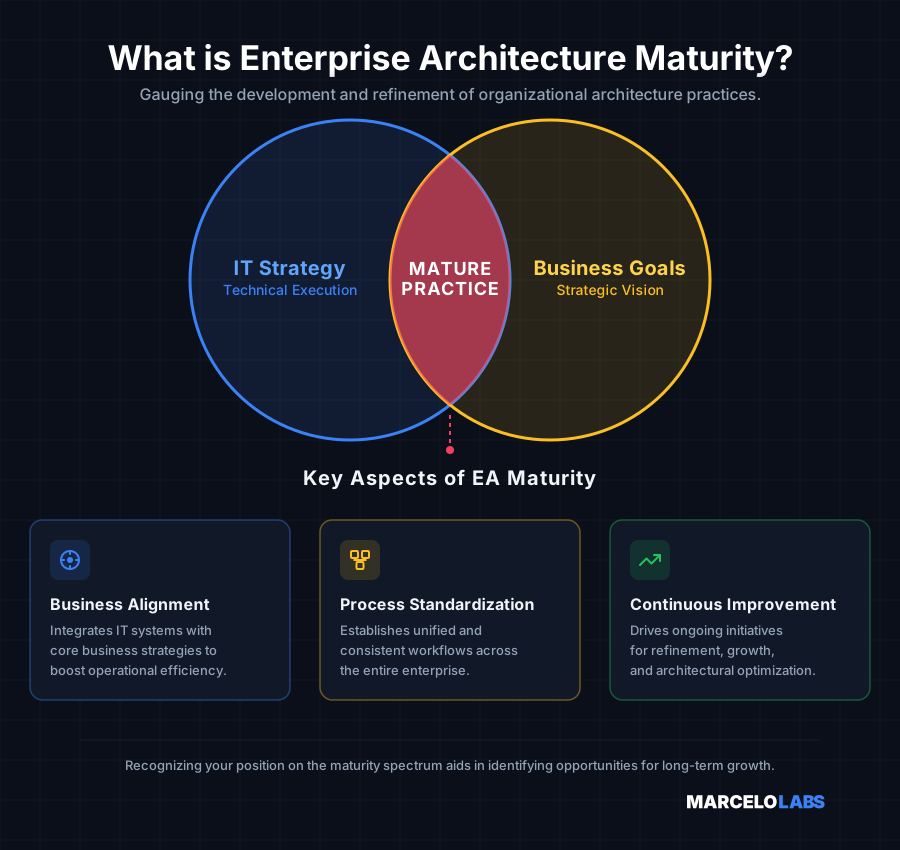
Recognizing where an organization stands on the maturity spectrum is crucial. This knowledge aids in identifying opportunities for growth and optimization. Understanding and enhancing maturity can lead to substantial long-term benefits for the organization.
Why Enterprise Architecture Maturity Matters
Enterprise architecture maturity is vital for aligning IT with business goals. When perfectly aligned, both efficiency and competitiveness increase.
Mature architecture ensures consistent decision-making processes. Organizations benefit from reduced operational costs and improved resource utilization.
The impact of mature architecture extends to strategic initiatives. It enhances agility and innovation potential, fostering better business transformation.
Key benefits of achieving higher maturity levels include:
- Enhanced decision-making capabilities
- Streamlined operations
- Cost savings and efficiency
- Improved agility and adaptability
Organizations with mature architecture can swiftly respond to market changes. They are better positioned to leverage new technologies and drive digital transformation effectively. Maturity helps realize long-term strategic objectives, reinforcing the organization’s vision and mission.
Overview of Enterprise Architecture Maturity Models
Enterprise architecture maturity models offer frameworks to assess architecture practices. They provide a structured approach to gauge organizational capabilities. These models identify current performance levels and improvement opportunities. They aid organizations in planning strategic growth by pinpointing weaknesses.
Common maturity models guide enterprises through structured stages. Each stage reflects a different level of sophistication and capability. They provide benchmarks for measuring progress and establishing development goals.
Organizations can use these models to compare practices against industry standards. This comparison helps in identifying gaps and setting realistic targets for advancement.
By understanding and applying these models, businesses can ensure their architecture is robust and effective. Models empower stakeholders with a clear roadmap for ongoing improvement.
Common Enterprise Architecture Maturity Models
Several maturity models are widely recognized in enterprise architecture. Models vary but share a common goal: enhancing architectural practices.
One popular model is the Capability Maturity Model Integration (CMMI). This model emphasizes process improvement and capability assessment.
Another notable model is The Open Group Architecture Framework (TOGAF). TOGAF focuses on structured development and governance.
Maturity models typically include stages that an organization must progress through. Each stage reflects enhanced capabilities and processes:
- Initial: Processes are ad-hoc and chaotic.
- Managed: Basic process discipline is established.
- Defined: Processes are standardized and integrated.
- Quantitatively Managed: Processes are measured and controlled.
- Optimized: Processes undergo continuous improvement.
Each model offers a unique perspective yet ultimately aims for the same result. Both serve as guides toward achieving a highly mature enterprise architecture.
The Five Levels of Enterprise Architecture Maturity
Understanding the maturity levels is crucial for effective enterprise architecture. These levels represent a journey from chaos to continuous improvement.
Each level marks a distinct phase of development. Organizations can identify their current stage and plan enhancements accordingly. The five levels are:
- Initial (Ad-hoc)
- Managed (Under Development)
- Defined
- Quantitatively Managed
- Optimized
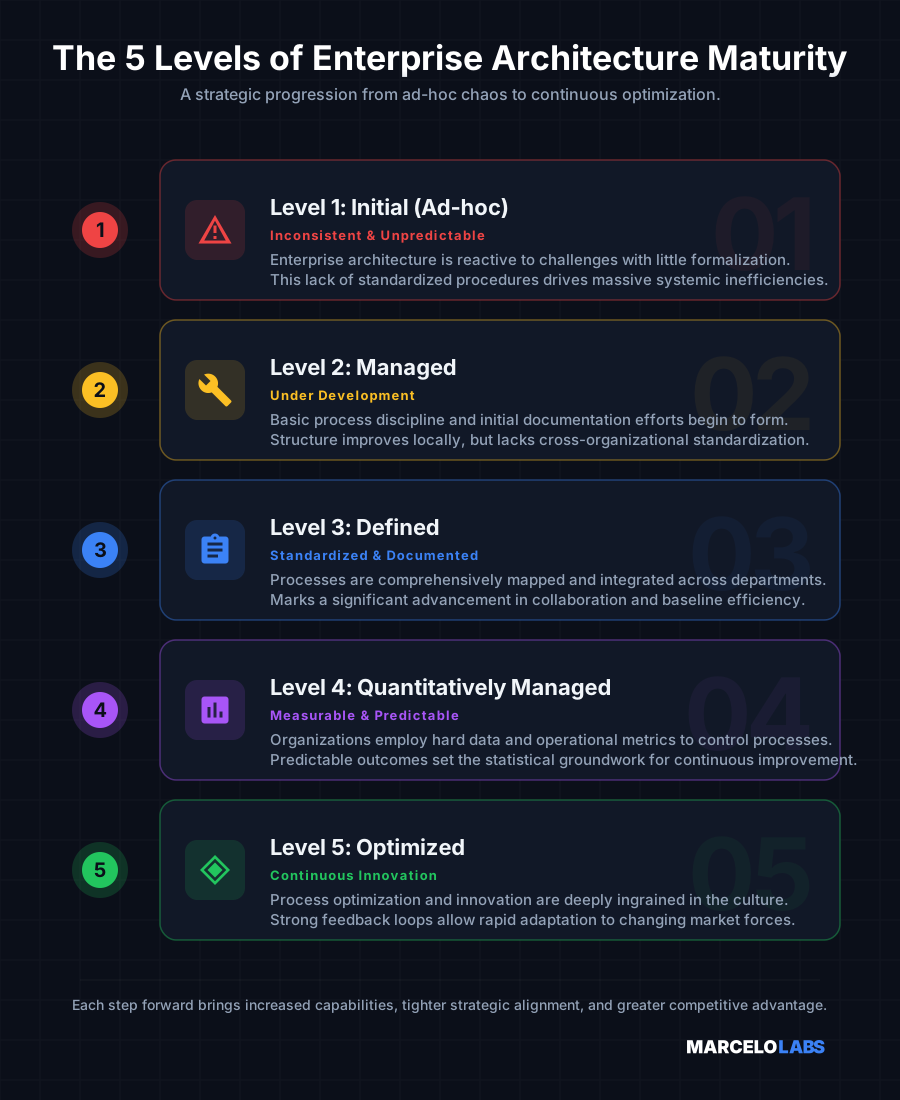
Progression through these levels results in improved processes and more strategic alignment. Each step forward brings increased capabilities and benefits.
Level 1: Initial (Ad-hoc)
At the initial level, enterprise architecture is inconsistent and unpredictable. There is little to no formalization of processes.Organizations in this phase react to challenges as they arise. Planning is often minimal or absent.
Characteristics of this level include:
- Ad-hoc and reactive processes
- Lack of standardized procedures
- Little documentation or governance
These characteristics can lead to inefficiencies and misalignment. Moving beyond this stage requires establishing basic order.
Level 2: Managed (Under Development)
At the managed level, basic process discipline begins to form. Enterprises start to develop some control over their processes. Processes are more structured but not yet standardized across the organization. Some documentation exists but may not be comprehensive.
Key features include:
- Basic process organization
- Initial documentation efforts
- Early stage of governance
Though progress is made, more uniformity is needed. Achieving greater consistency is the next step forward.
Level 3: Defined
The defined level brings standardization and documentation throughout the organization. Processes are consistent and well-documented. At this stage, processes are integrated across departments. Communication among teams improves, strengthening collaboration.
Defining traits are:
- Standardized processes
- Comprehensive documentation
- Improved interdepartmental collaboration
This level marks a significant advancement in organization-wide efficiency. It serves as a foundation for more data-driven management.
Level 4: Quantitatively Managed
Here, processes become measurable and controlled. Organizations employ data and metrics to manage their processes. Quantitative management ensures processes are predictable and reliable. This level focuses on monitoring and control.
Notable features are:
- Use of metrics and data
- Predictable process outcomes
- Enhanced control measures
This level provides a clearer understanding of process performance. It sets the groundwork for continuous improvement.
Level 5: Optimized
At the optimized level, continuous improvement is ingrained in the organization's culture. Processes are refined and innovative techniques are adopted. Organizations focus on optimization and innovation. They leverage metrics to adapt and enhance processes constantly.
Attributes of this level include:
- Continuous process improvement
- Innovative approaches
- Strong feedback loops
The optimized level supports ongoing development and adaptation. It enables organizations to stay competitive in a changing environment.
Key Areas to Assess in Enterprise Architecture Maturity
Assessing enterprise architecture maturity requires a detailed approach. Several key areas determine the maturity level of an organization's architecture practices.
First, governance plays a significant role. It ensures that architecture processes align with organizational goals.
Second, the evaluation of processes and their level of standardization is crucial. This reveals how organized and integrated the architecture is within the organization.
Additionally, stakeholder engagement is a vital factor. Involving stakeholders ensures alignment with business objectives and fosters ownership.
Key areas to evaluate include:
- Governance
- Process standardization
- Tool and technology integration
- Stakeholder engagement
Effective assessment involves analyzing these components thoroughly. It provides a clear picture of the organization's current maturity state and areas for improvement.
Using an Enterprise Architecture Questionnaire for Assessment
An enterprise architecture questionnaire is an effective tool for evaluating maturity. It helps identify strengths and areas needing improvement.
The questionnaire includes a variety of questions. These questions cover governance, processes, and stakeholder engagement. By answering them, organizations can better understand their maturity level.
These questions should be comprehensive. They must encompass every aspect of the organization’s architecture efforts. This ensures a thorough evaluation.
Consider the following questionnaire areas:
- Strategy alignment with business objectives
- Process measurement and management
- Extent of stakeholder involvement
- Technology and tool effectiveness
Using these questionnaires, organizations can gather quantitative data. This data forms the foundation for strategic planning and maturity improvements. They provide a structured approach to assess enterprise architecture maturity effectively.
Steps to Improve Enterprise Architecture Maturity
Improving enterprise architecture maturity requires intentional planning and execution. Organizations should begin by establishing clear goals aligned with their business strategy. These goals provide direction and focus for improvement initiatives.
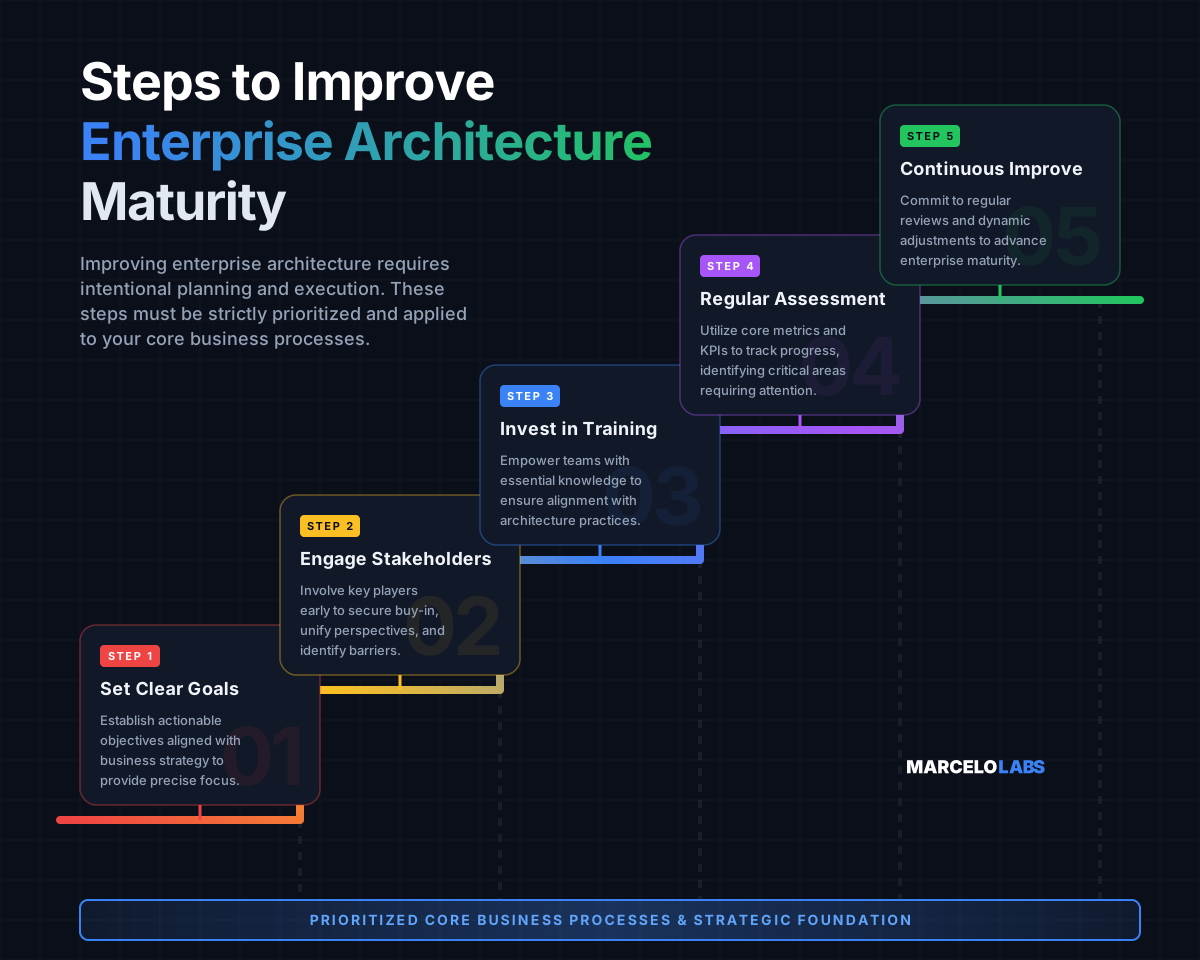
Engagement with stakeholders is critical. Involving key stakeholders ensures diverse perspectives and buy-in. It also helps in identifying any potential barriers early on.
Another vital step is continuous training. Empowering the team with knowledge enhances their capabilities. Training ensures that everyone is aligned with the architecture practices.
Regular assessment through metrics and KPIs is essential. These measurements track progress and identify areas requiring attention. It's an effective way to ensure that improvements are on track.
Consider the following steps for improvement:
- Set clear, actionable goals
- Engage stakeholders early in the process
- Invest in training and development
- Use metrics to measure progress
Finally, commit to continuous improvement. This involves regular reviews and adjustments to strategies. Adapting to change is crucial in advancing enterprise architecture maturity.
Benefits of Advancing Enterprise Architecture Maturity
Achieving higher levels of enterprise architecture maturity brings numerous benefits. Organizations experience improved alignment between IT and business strategies. This alignment results in more efficient and effective operations.
Moreover, enhanced maturity leads to better decision-making capabilities. With standardized processes and clear data flows, decisions are more informed. This contributes to overall business agility and resilience.
In addition, advancing maturity often results in cost savings. Processes become more streamlined, reducing waste and inefficiencies. Here are some key benefits:
- Enhanced IT and business alignment
- Improved decision-making
- Increased operational efficiency
- Cost savings and reduced waste
These advantages foster competitive positioning and business growth. As a result, organizations become better equipped to handle future challenges and opportunities.
Challenges and Barriers to Maturity
Achieving enterprise architecture maturity is not without its challenges. A primary hurdle is resistance to change within the organization. Employees may be hesitant to adapt to new processes and technologies.
Limited resources also pose significant obstacles. Organizations often struggle with budget constraints and a lack of skilled personnel. This makes it hard to implement and sustain mature practices.
Another barrier is insufficient expertise in enterprise architecture. Many organizations lack the necessary knowledge to advance their maturity. Common challenges include:
- Resistance to change
- Limited budget and staffing
- Lack of expertise
Overcoming these challenges requires strategic planning and leadership support. Addressing these barriers paves the way for sustainable maturity advancement.
Best Practices and Strategies for Maturity Advancement
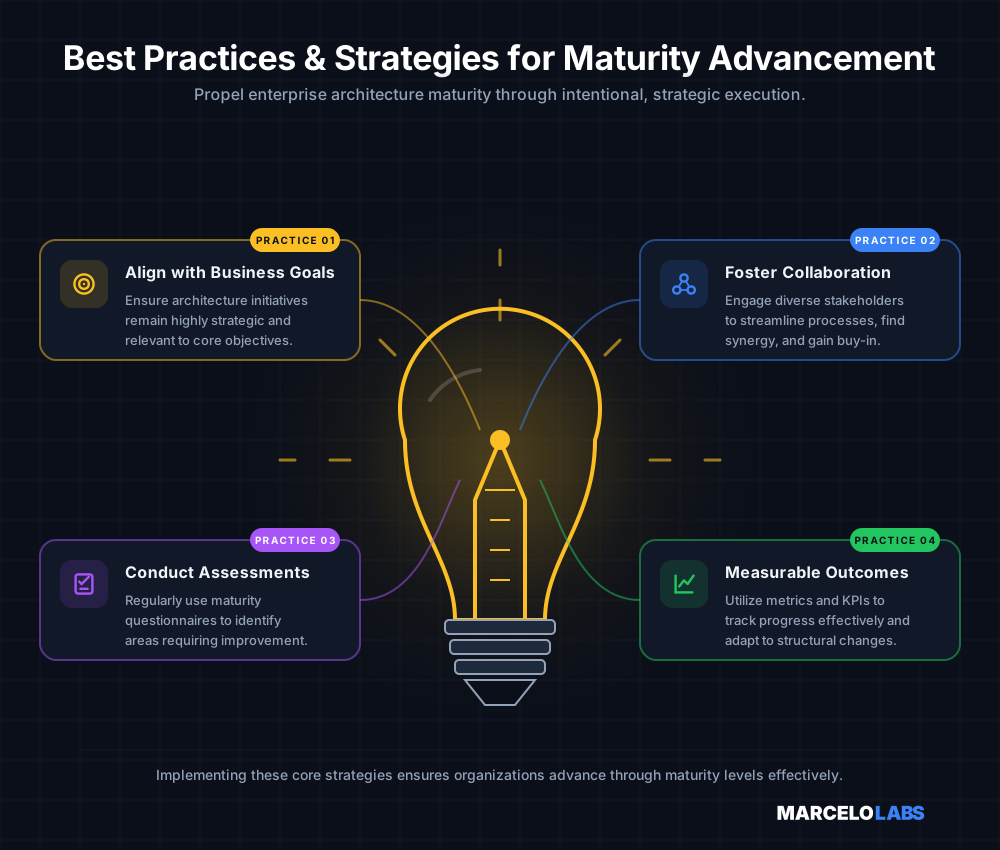
Advancing enterprise architecture maturity demands a thoughtful strategy. Begin with aligning architecture goals with broader business objectives. This alignment ensures that architecture initiatives are strategic and relevant.
Engage stakeholders from different areas to foster collaboration. When departments work together, they can streamline processes and improve efficiency. Open communication ensures that all parties understand and support the initiative.
Continuous assessment and adjustment are critical. Regularly use an enterprise architecture questionnaire to identify areas needing improvement. By focusing on measurable outcomes, organizations can effectively track progress.
Consider incorporating the following best practices:
- Align architecture with business goals
- Foster cross-department collaboration
- Conduct regular assessments
- Prioritize measurable outcomes
Implementing these strategies helps organizations advance through maturity levels effectively.
Case Studies: Successful Enterprise Architecture Maturity Journeys
Exploring real-world examples of enterprise architecture maturity can offer valuable insights. Organizations often start with varied challenges but achieve remarkable improvements.
One notable case is a global retailer. Initially, their architecture was fragmented and inefficient. They embarked on a journey to optimize processes, improving both customer satisfaction and operational agility.
Another example is a financial institution that faced regulatory challenges. By advancing their maturity level, they enhanced compliance and risk management. This change also fostered better data governance, leading to improved decision-making.
Key highlights from these journeys include:
- Improved customer satisfaction
- Enhanced compliance and risk management
- Better decision-making through data governance
These case studies underscore the transformative power of strategic architecture maturity advancements.
The Future of Enterprise Architecture Maturity
The landscape of enterprise architecture is evolving rapidly. Emerging technologies like artificial intelligence and IoT are shaping the future. Organizations must adapt to remain competitive.
Digital transformation drives the need for sophisticated architecture processes. Future maturity will involve deeper integration of digital tools, supporting both agility and innovation.
Key trends influencing future maturity include:
- Increased integration of AI and IoT
- Higher demand for agile architecture processes
- Greater emphasis on digital transformation
These trends suggest that enterprise architecture will continue to play a pivotal role in business strategies.
Conclusion and Next Steps
Enterprise architecture maturity is essential for strategic alignment and operational efficiency. Organizations must strive to enhance their maturity continuously.
To make progress, start by assessing current maturity levels. Use models and tools like questionnaires to guide improvement efforts.
Next steps include:
- Conducting a maturity assessment
- Engaging stakeholders for support
- Implementing best practices for continual growth
By focusing on these areas, organizations can harness the full potential of their enterprise architecture. This will ensure alignment with business goals and adapt to future challenges.