Understanding Who Needs ISO 27001 Certification: An Industry Guide
Discover who actually needs ISO 27001 certification in today's zero-trust market, and learn how it accelerates enterprise sales and procurement.

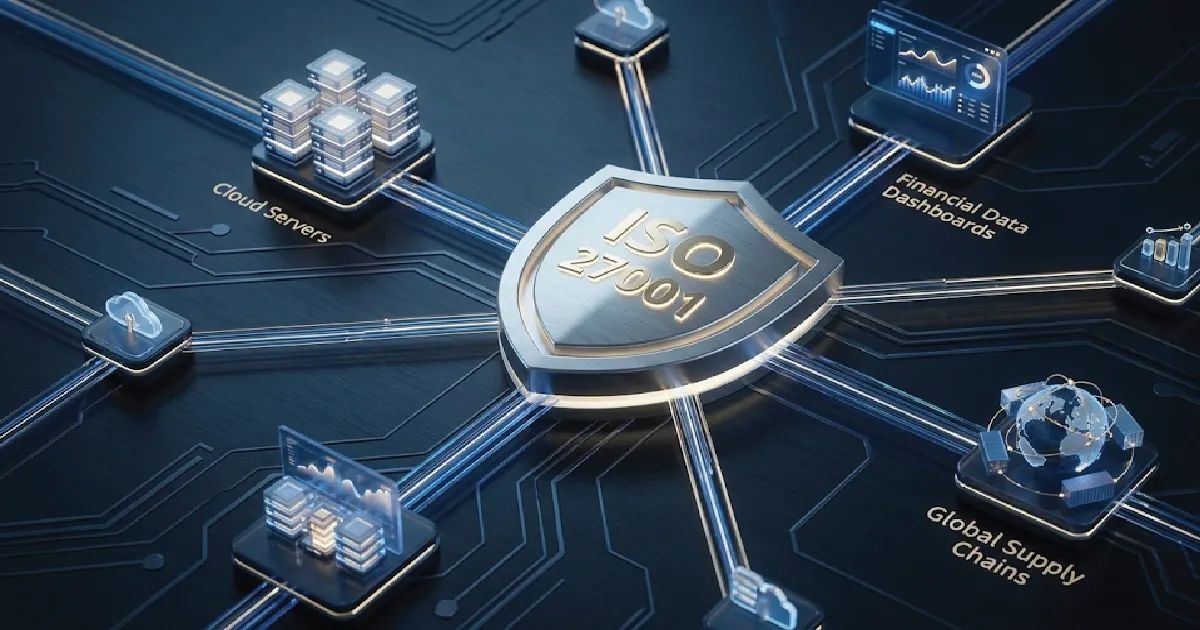
Trust in modern enterprise ecosystems is no longer granted through handshakes or well-crafted marketing copy; it is systematically audited and verified. In an era defined by decentralized supply chains, cloud-native infrastructure, and aggressive cyber threats, proving that your organization takes information security seriously is a baseline commercial requirement.
While the standard is globally recognized, the most persistent question among executive boards and compliance officers remains:
who needs ISO 27001 certification in today's market? Is it strictly an IT imperative, or has it evolved into a universal business enabler?
This guide dissects the exact industry profiles that require this framework, the commercial triggers that make it mandatory, and the foundational prerequisites you must establish before embarking on the certification journey.
The Expanding Scope of Compliance
Historically, enterprise-grade security frameworks were the exclusive domain of massive data centers, legacy financial institutions, and government contractors. If a company didn't host physical servers or manage national defense data, compliance was often treated as an optional luxury.
That paradigm is dead.
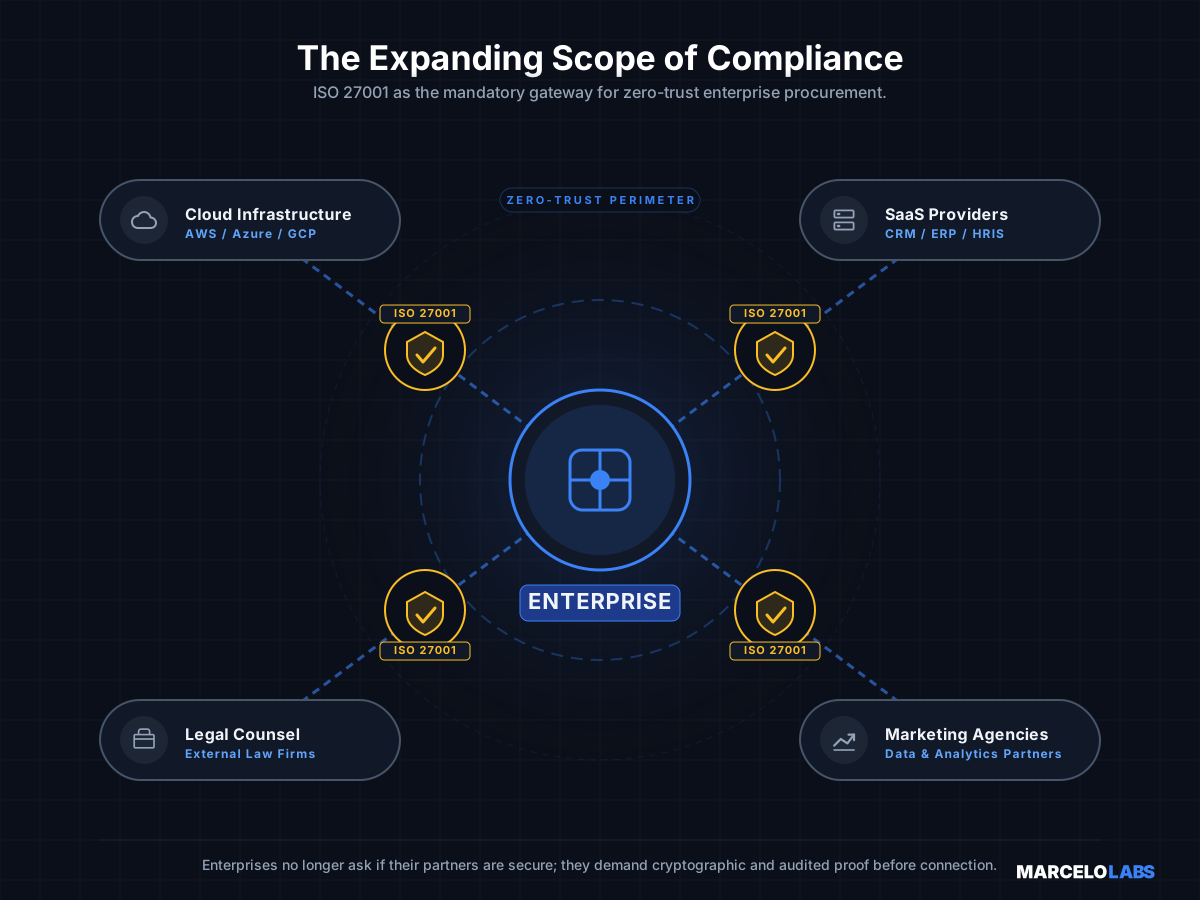
Today, the perimeter of an organization extends to every third-party vendor, SaaS platform, and remote endpoint connected to its network. Because a breach in a seemingly insignificant vendor can compromise an entire enterprise supply chain, global corporations have adopted a "zero-trust" approach to procurement. They no longer ask if their partners are secure; they demand cryptographic and audited proof. This shift has radically expanded the definition of exactly who needs ISO 27001, transforming it from an IT operational benchmark into a critical revenue-enabling asset.
Who Needs ISO 27001 Certification?
The short answer is that any organization managing sensitive data, intellectual property, or critical systems should implement an Information Security Management System (ISMS). However, for certain business profiles, achieving formal certification is not just recommended—it is a condition for market survival.
B2B SaaS and Tech Service Providers
Software-as-a-Service (SaaS) companies are arguably the most heavily scrutinized entities in the modern economy. Because SaaS architectures are inherently multi-tenant—hosting data for dozens or hundreds of clients on shared infrastructure—a single vulnerability can result in a catastrophic, multi-client data exposure.
For B2B tech providers, ISO 27001 certification serves as an immediate trust proxy. It assures enterprise clients that your development lifecycle, cloud architecture, and internal access controls meet rigorous international standards.
FinTech, HealthTech, and Data-Heavy Sectors
Industries bound by strict confidentiality requirements—such as financial technology and healthcare—operate in a perpetual state of high risk. These organizations process Personally Identifiable Information (PII), Protected Health Information (PHI), and financial transaction data.
While frameworks like HIPAA (US) or PCI-DSS address specific types of data, ISO 27001 provides the holistic management wrapper. It proves to regulators and banking partners that the organization has a proactive, risk-based methodology for protecting highly sensitive assets across all operational layers.
Organizations Embedded in Global Supply Chains
You do not need to be a technology company to be a cyber risk. Law firms, accounting agencies, logistics providers, and even specialized manufacturing plants are frequently targeted by threat actors specifically to access the networks of their larger corporate clients. If your organization provides a service that plugs into a global supply chain, you are expected to match the security posture of your largest client.
Triggers for Compliance: When Does It Become Mandatory?
Many organizations ask who needs ISO 27001 without realizing they have already hit the operational triggers that make it necessary. Certification transitions from "nice-to-have" to "mandatory" under specific commercial conditions.
Navigating Strict Enterprise RFPs
The most common catalyst for certification is the procurement process. When selling to Fortune 500 companies, government agencies, or heavily regulated enterprises, the Request for Proposal (RFP) will inevitably include a vendor risk assessment.
Without ISO 27001 (or a comparable framework like SOC 2), sales teams are forced to manually complete security questionnaires containing hundreds of highly technical questions—a process that slows down the sales cycle and often ends in rejection. Certification acts as a "fast-pass" through enterprise procurement, bypassing friction and accelerating revenue.
Regulatory Pressure and Data Privacy Laws
While ISO 27001 is a security standard, it is deeply intertwined with data privacy. Global legislations such as the General Data Protection Regulation (GDPR) in Europe and the California Consumer Privacy Act (CCPA) mandate that organizations implement "appropriate technical and organizational measures" to protect consumer data. ISO 27001 provides the exact framework required to demonstrate legal compliance to regulatory bodies, severely reducing the risk of fines in the event of an unavoidable breach.
| Trigger Event | Business Impact | ISO 27001 Solution |
|---|---|---|
| Enterprise RFPs | Blocked sales pipelines and long procurement cycles. | Acts as a verified trust proxy, bypassing manual vendor questionnaires. |
| Regulatory Audits (GDPR/CCPA) | Legal liabilities, heavy fines, brand destruction. | Provides a legally defensible framework of "appropriate technical measures." |
| Supply Chain Mandates | Loss of key corporate contracts. | Proves operational resilience to upstream partners. |
ISO 27001 Prerequisites: Are You Ready to Start?
Deciding to pursue certification is only the first step. Organizations frequently underestimate the groundwork required before an external auditor ever steps foot in the building. Understanding the core ISO 27001 prerequisites is essential to prevent costly implementation failures.
Leadership Buy-in and Resource Allocation
Information security is not an IT project; it is a business governance initiative. The very first prerequisite is executive management commitment. Leadership must be prepared to allocate budget (for tools, external consultants, and audit fees) and dedicate internal personnel time. Without continuous top-down support, an ISMS will stall at the documentation phase.
Defining the Initial ISMS Scope
You do not have to certify your entire global operation on day one. A critical prerequisite is defining a strategic scope. Will the ISMS cover the entire company, or just the engineering department developing your core SaaS product? Defining clear boundaries limits the complexity of your risk assessment and makes the initial certification phase manageable.
Establishing Baseline Security Procedures
Before seeking formal certification, your organization must transition from ad-hoc security habits to formalized, documented operations. You must codify how your team handles incident response, manages cryptographic keys, and controls logical access to your infrastructure.
These foundational documents dictate how your ISMS operates in the real world. To implement these prerequisites effectively and ensure your internal operations align with audit expectations, follow our ISO 27001 Procedures Compliance Guide for a step-by-step technical breakdown of the essential controls.
Strategic Value vs. Operational Cost
When evaluating who needs ISO 27001 certification, executives must reframe their perspective on the costs involved. Implementing an ISMS requires a significant investment in time, software, and auditing fees. However, viewing it purely as an operational expense is a strategic error.
In the modern digital economy, security is a measurable competitive advantage. ISO 27001 certification reduces the friction in high-value sales, lowers cyber insurance premiums, protects brand equity against devastating breaches, and builds a culture of operational excellence. It is not just about compliance—it is about engineering an architecture of trust that drives sustainable business growth.