What Is Composable Technology? A Strategic Guide for Enterprise Leaders
Enterprise leaders are moving away from rigid monolithic suites toward modular, API-driven ecosystems. Discover how composable technology accelerates time-to-market, eliminates vendor lock-in, and optimizes total cost of ownership.

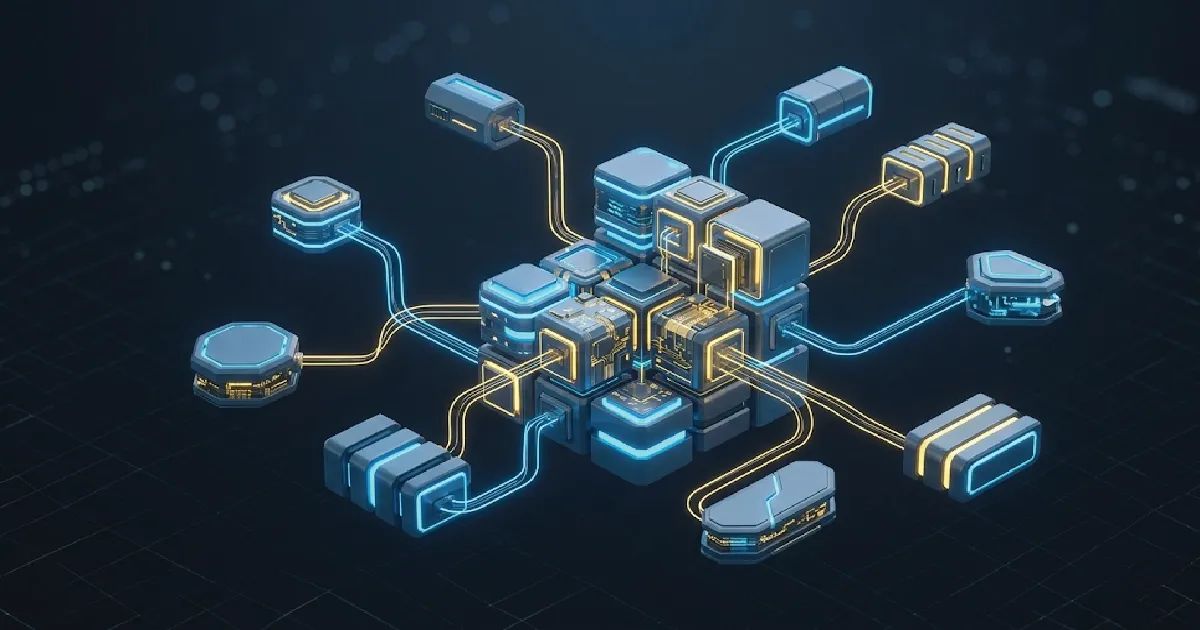
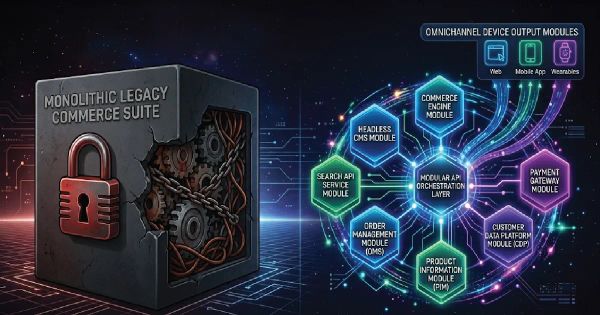
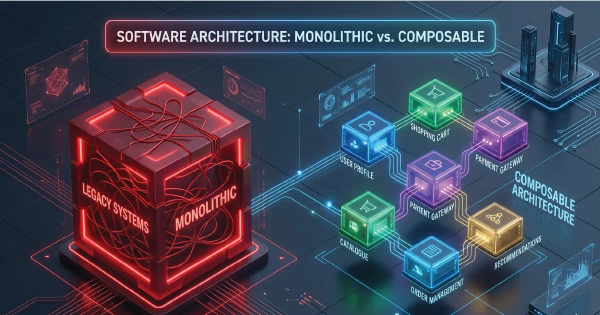
For years, enterprises relied on massive, all-in-one software suites to run their operations. While these monolithic systems provided a unified foundation, they also created rigid dependencies, vendor lock-in, and agonizingly slow deployment cycles.
To break free from these constraints, forward-thinking organizations are adopting a modular approach. At the heart of this transformation is a shift toward best-of-breed digital ecosystems.
Before diving into the specific tools and layers involved, it is highly recommended to understand the overarching business strategy by exploring our comprehensive guide on composable software architecture. Once the architectural mindset is established, leaders must evaluate the specific technological building blocks required to execute that vision.
Here is a consultative breakdown of what these modern tools are, how they integrate, and why they are critical for enterprise agility.
The Core Mechanics of Composable Technology
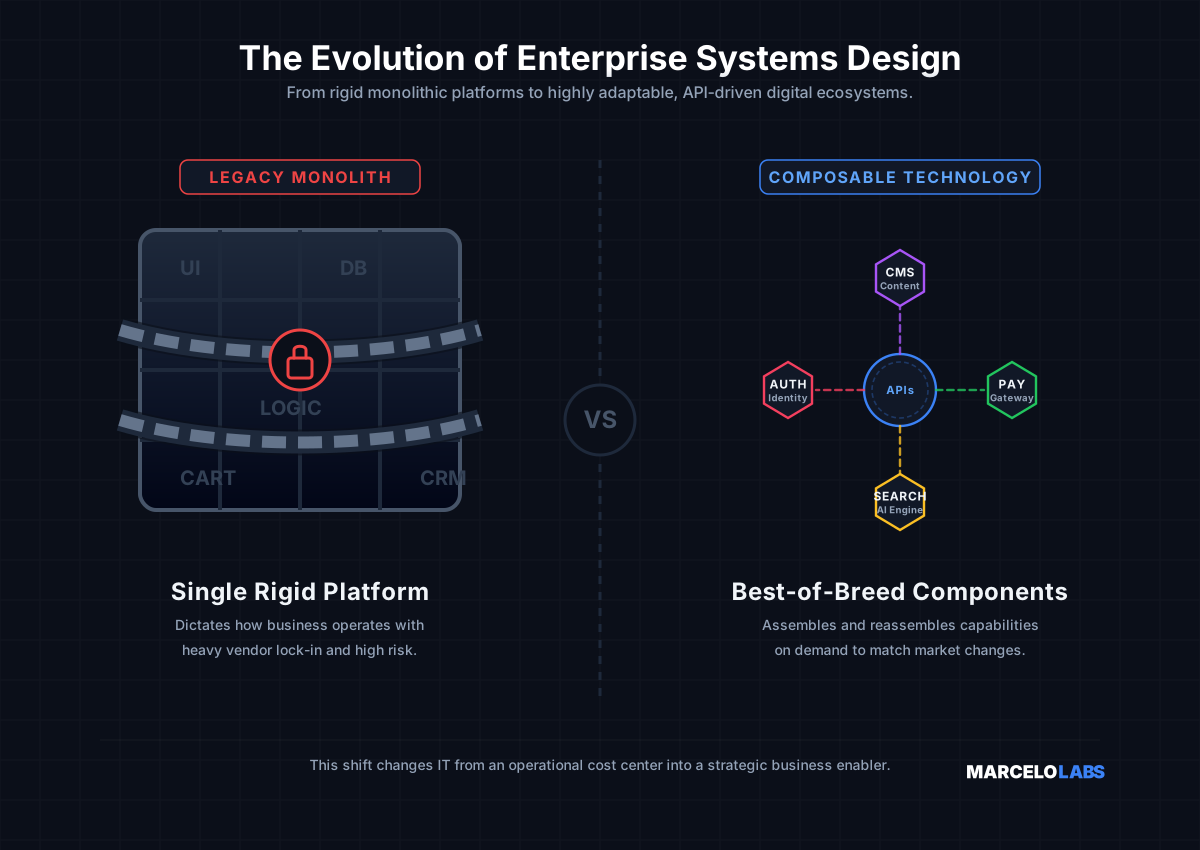
Composable technology is a software design approach that utilizes modular, independent, and interchangeable components to build highly adaptable digital systems.
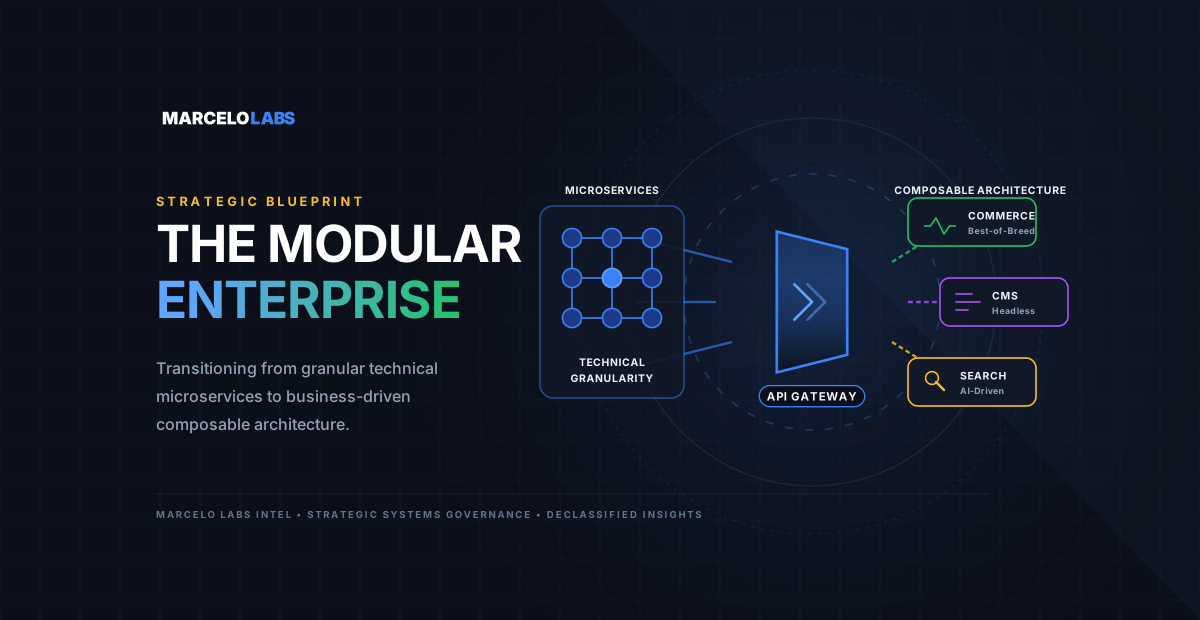
Instead of purchasing a single, rigid platform from one vendor that dictates how your business operates, you select specialized, "best-of-breed" technologies for each specific business function (e.g., search, payment processing, content management). These components communicate seamlessly through standardized Application Programming Interfaces (APIs).
From a C-level perspective, this shift changes IT from a cost center into a strategic enabler. It allows your business to assemble, disassemble, and reassemble its digital capabilities on demand, matching the exact pace of market changes and customer expectations.
Architecting a Future-Proof Composable Tech Stack
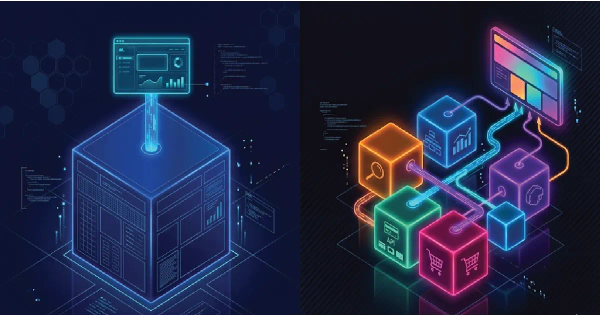
A composable tech stack is the actual collection of customized technologies chosen to execute your digital operations. Unlike legacy systems where the front-end interface and back-end database are inextricably linked, a modern stack is deeply decoupled.
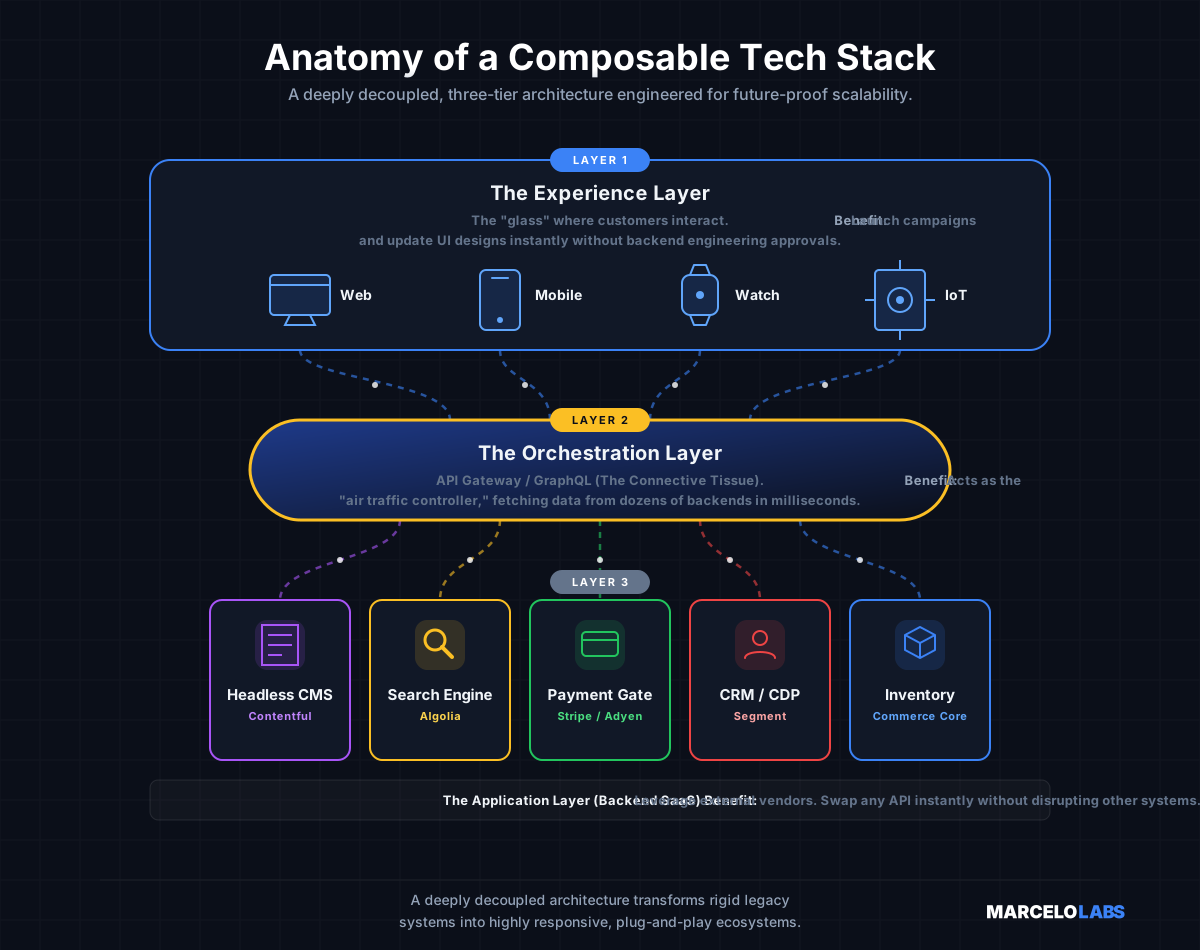
To successfully implement this framework, technical leaders typically structure their stack across three distinct layers:
1. The Experience Layer (Frontend)
This is the "glass" where your customers interact with your brand—whether that is a website, a mobile app, or an in-store digital kiosk.
- Key Technologies: Modern JavaScript frameworks (React, Next.js, Vue), headless Content Management Systems (CMS) like Contentful or Sanity, and edge-computing deployment platforms (Vercel, Netlify).
- The Executive Benefit: Marketing teams can launch campaigns, update UI designs, and personalize content across multiple channels instantly, without requiring backend engineering approvals.
2. The Orchestration Layer (The Connective Tissue)
Because your data now lives in dozens of different specialized platforms, you need a system to route that data efficiently.
- Key Technologies: API Gateways, GraphQL orchestration (like Apollo), and middleware.
- The Executive Benefit: This layer acts as the "air traffic controller," ensuring that when a user clicks a button, the system simultaneously fetches data from your inventory software, your pricing engine, and your CRM in milliseconds.
3. The Application Layer (Backend SaaS)
These are the independent, highly specialized microservices and Packaged Business Capabilities (PBCs) that power your business logic.
- Key Technologies: Composable commerce engines (commercetools, Shopify Plus), specialized search APIs (Algolia), Customer Data Platforms (Segment), and Payment gateways (Stripe, Adyen).
- The Executive Benefit: You leverage external vendors to maintain the commodity infrastructure. If a better search engine hits the market tomorrow, you simply swap the API without disrupting your checkout process or CRM.
How Composable Tech Accelerates Business Agility
When evaluating digital transformation initiatives, enterprise decision-makers must look beyond the technical specifications and focus on bottom-line impact. Adopting composable tech delivers measurable advantages across three primary vectors:
1. Accelerated Time-to-Market
In traditional environments, launching a new feature often requires extensive regression testing across the entire codebase. With a modular stack, development cycles shrink from months to weeks. Engineering teams can work in parallel on different microservices without stepping on each other's toes, allowing for continuous, zero-downtime deployments.
2. Eradication of Vendor Lock-In
Legacy software providers often force businesses to adapt their operational processes to fit the software's limitations. By utilizing independent APIs, you regain total autonomy. You are free to negotiate better contracts, swap underperforming vendors, and build a customized ecosystem that perfectly aligns with your unique competitive differentiators.
3. Targeted Scalability and Cost Efficiency
Monolithic systems require you to scale the entire application globally, even if only one feature is experiencing high traffic. Modular technologies allow for independent scaling. If your checkout service experiences a massive spike during a holiday sale, you only pay to scale the cloud resources for that specific component, radically optimizing your Total Cost of Ownership (TCO).
| Business Metric | Legacy Monolithic Suites | Composable Tech Stack |
|---|---|---|
| Deployment Speed | Slow; requires full-system updates and scheduled downtime. | Rapid; continuous deployment of independent modules. |
| Vendor Reliance | High; tied to a single vendor's roadmap and pricing. | Low; complete freedom to swap "best-of-breed" tools. |
| Scalability | Inefficient; must scale the entire heavy application. | Highly Efficient; scale only the specific services under load. |
| Innovation Risk | High; new feature testing risks breaking core systems. | Low; isolated microservices protect the wider ecosystem. |
Initiating the Transition: A Strategic Imperative
Transitioning to a modular ecosystem is not an IT project; it is a fundamental shift in business strategy. Attempting a "rip-and-replace" of your entire legacy infrastructure overnight carries immense operational risk.
Instead, leading enterprises adopt a progressive migration strategy. By placing an API orchestration layer in front of their legacy monolith, organizations can gradually peel away individual functions—such as migrating to a new headless CMS or a specialized search API—one by one.
To compete in a market defined by rapid technological shifts and AI integration, your digital foundation must be as dynamic as your business strategy. Embracing composable technologies is the most reliable way to ensure your enterprise remains resilient, scalable, and relentlessly innovative.